If you are shopping for your first proper hand grinder in the UK, two names come up again and again around the £75–£110 mark: the 1Zpresso Q2 S and the Hario Skerton Pro. Both are manual burr grinders, both will transform coffee that has been coming out of a blade grinder or a bag of pre-ground, and both are sold widely on Amazon UK. They are, however, built around very different ideas of what a hand grinder should be. This head-to-head looks at which one suits which kind of coffee drinker.
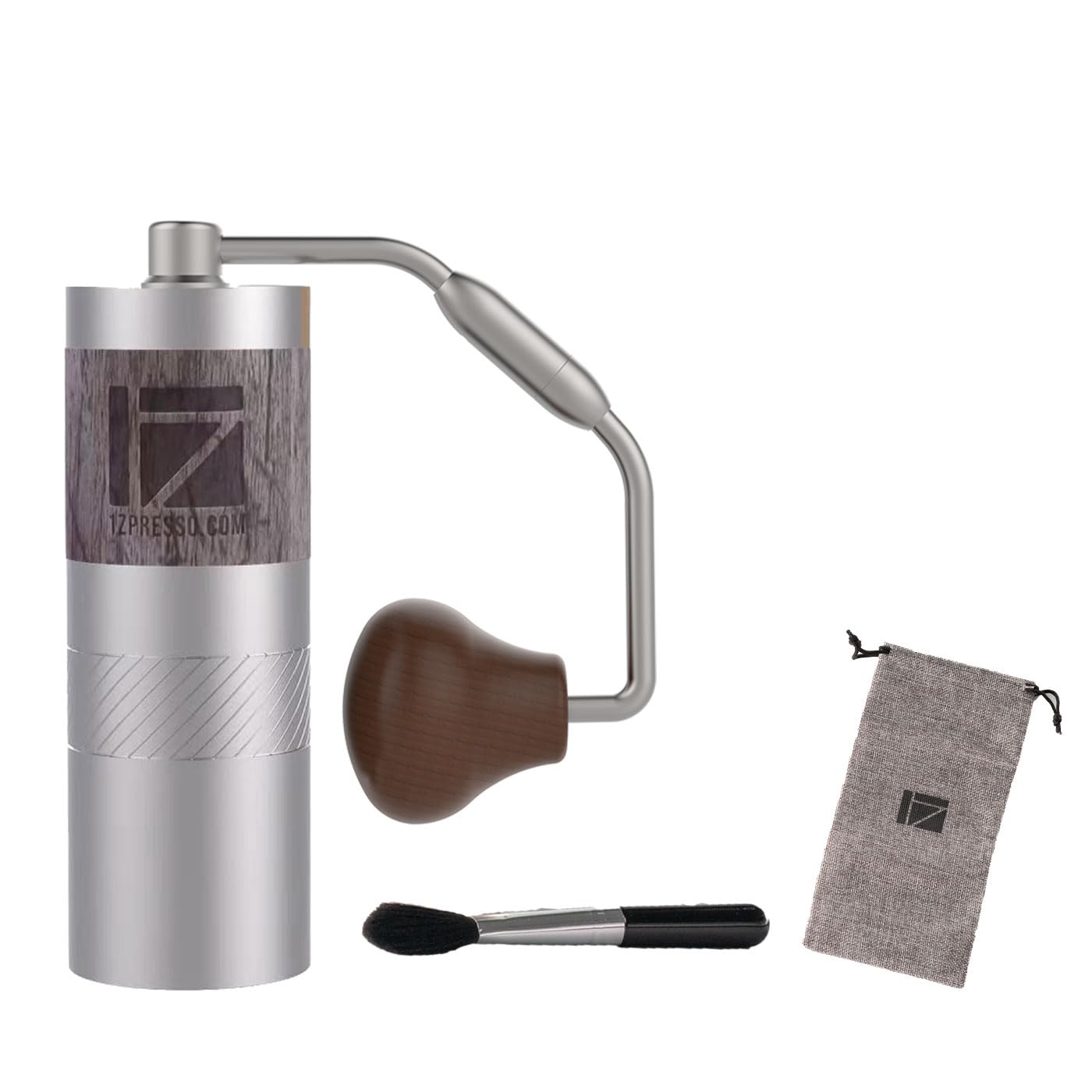 1Zpresso Q2 S |
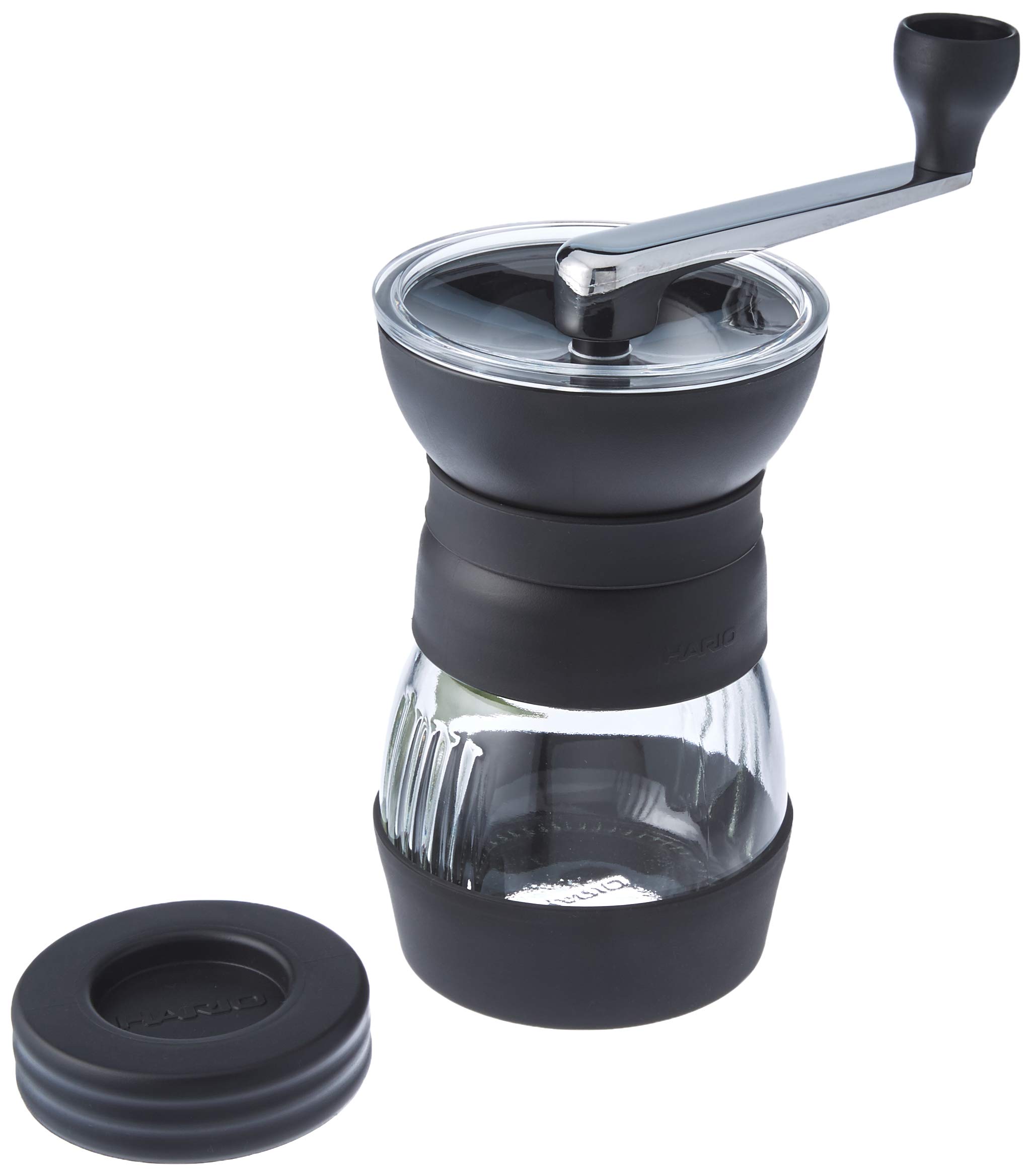 Hario Skerton Pro |
The short answer
Buy the 1Zpresso Q2 S if you brew one or two cups at a time, care about grind consistency for pour-over or AeroPress, and want something that will slip into a bag. Buy the Hario Skerton Pro if you mostly make French press or larger batches, want a big hopper and catch jar, and would rather keep the spend under £80.
At a glance
| 1Zpresso Q2 S | Hario Skerton Pro | |
|---|---|---|
| Typical Amazon UK price | Around £109 | Around £76 |
| Burrs | Stainless steel conical | Ceramic conical |
| Capacity | Roughly 20g (one or two cups) | Up to about 100g in the hopper |
| Body | Compact aluminium, under 500g, foldable handle | Tall, with glass catch jar |
| Best for | Pour-over, AeroPress, travel | French press, cold brew, batch brewing |
| Main compromise | Small capacity | Slower, less even at finer settings |
Prices move regularly on Amazon UK; check the current listing before buying.
Grind quality: where the money goes
The biggest practical difference is the burr set. The Q2 S uses steel burrs held by a dual-bearing shaft, which keeps the inner burr centred as you turn. That stability is what produces a tidy, even grind at pour-over and AeroPress settings, with fewer fine particles and boulders. In the cup that tends to show up as cleaner, sweeter filter coffee and fewer bitter, muddy notes when you push extraction.
The Skerton Pro uses ceramic burrs. Ceramic is durable, won't rust and handles coarse grinding well. Hario improved the original Skerton with a stabilised lower burr on the Pro, which tightened things up noticeably, but it is still not as consistent as the Q2 S at medium-fine settings. At French press and cold brew coarseness, the gap narrows considerably, and for a cafetière drinker the Skerton Pro is perfectly good.
Neither is a dedicated espresso grinder. The Q2 S can grind fine enough for a pressurised basket and some people use it for espresso, but adjustments are fairly coarse for dialling in a non-pressurised basket. If espresso is your main goal, look at our espresso-ready manual grinders comparison instead.
Speed and effort
Steel burrs bite into beans more aggressively than ceramic, so the Q2 S typically gets through a 15–18g dose for pour-over in well under a minute with steady turning. The Skerton Pro takes longer for the same dose and needs a bit more effort, especially with light roasts, which are denser. Grinding 50g or more for a big French press on the Skerton is perfectly manageable but it is a few minutes of work.
Ergonomics differ too. The Q2 S is slim enough to hold comfortably in one hand while you turn with the other. The Skerton Pro is wider and taller; most people brace it against the worktop, and the rubber base helps stop it skating around.
Capacity and daily routine
This is where the Skerton Pro earns its place. With room for around 100g of beans and a glass jar to catch the grounds, it suits households that brew a full cafetière in the morning or make a batch of cold brew at the weekend. The Q2 S holds roughly 20g, so if you regularly brew for two or three people you will be grinding in two or three rounds, which gets old quickly.
For a single person making one V60 or AeroPress at a time, the small capacity is a non-issue, and the compact size is a genuine advantage on a small UK kitchen worktop or in a rucksack.
Adjustment and switching between brew methods
Both grinders use stepped adjustments. On the Q2 S, the numbered dial makes it straightforward to note a setting and return to it, which matters if you switch between, say, AeroPress and pour-over in the same week. The Skerton Pro's adjustment is also click-based and an improvement over older Hario designs, but it is less precise and less easy to read, so many owners settle on one or two settings and leave it there.
Build, cleaning and longevity
The Q2 S feels dense and well machined. It disassembles easily for cleaning with a brush, and the steel burrs should last years of daily home use. The main thing to watch is that it is aluminium, so treat it with care rather than throwing it loose into a toolbox.
The Skerton Pro's glass jar is the obvious fragile point; dropping it on a tiled floor is the most common way owners end up looking for spares. Ceramic burrs are hard-wearing but can chip if a small stone ever slips through with the beans. Otherwise it is a simple, robust design that has been around for years.
Value for money
The Skerton Pro is roughly £30 cheaper, and for French press, cold brew or moka pot drinkers that saving is real value: the grind is good enough at coarser settings that you would struggle to taste much difference. For pour-over and AeroPress drinkers, the extra spend on the Q2 S buys a clear step up in consistency and speed that you will notice every morning. Over several years of use, that works out at pennies per cup.
If you are tempted to go electric for similar money, budget electric burr grinders exist, but at this price a good hand grinder usually beats them on grind quality. If you want to compare against a step-up electric option, see our Baratza Encore ESP vs Timemore C3 ESP Pro head-to-head.
Who should buy which
| If you… | Choose |
|---|---|
| Brew one V60 or AeroPress a day | 1Zpresso Q2 S |
| Want a grinder for camping or travel | 1Zpresso Q2 S |
| Make a full cafetière for two or more | Hario Skerton Pro |
| Batch-brew cold brew | Hario Skerton Pro |
| Want the best cup quality for the money at filter strength | 1Zpresso Q2 S |
| Want to keep the budget under £80 | Hario Skerton Pro |
Verdict
For most people buying a hand grinder to make better filter coffee, the 1Zpresso Q2 S is the better grinder: faster, more consistent and easier to live with day to day, provided you only brew a cup or two at once. The Hario Skerton Pro remains a sensible, cheaper choice for coarse-grind brewing and bigger batches, and it is a huge step up from any blade grinder. Match the grinder to how much coffee you actually make each morning and you will not go far wrong.

