How to dial in espresso without a café mentor
Dialling in is just a controlled experiment. You change one variable at a time, taste, and decide what to change next. You do not need a barista looking over your shoulder — you need a starting recipe, a notebook (or notes app), and the discipline not to twist three dials at once.
This is a process guide. It assumes you already have a machine that can pull espresso and a grinder that can go fine enough (electric or manual).
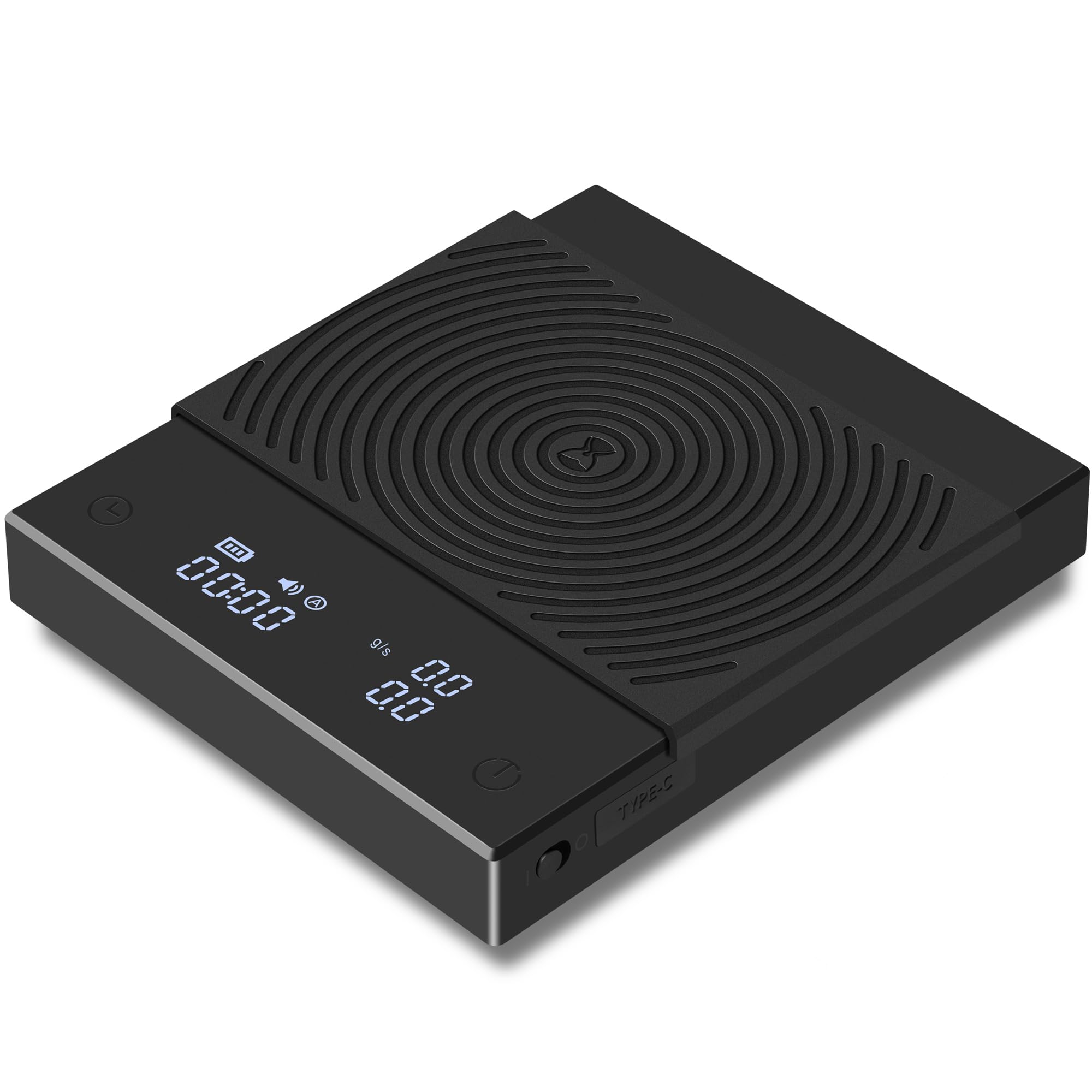
*Weigh dose and yield every shot. A scale removes more guesswork than another tip from the internet.*
What “dialled in” means
You are aiming for a shot that is:
- Repeatable — same dose, grind, and yield land in a similar time window - Balanced enough to drink — not sharp-sour and watery, not ashy-bitter and hollow - In a useful range — for many home machines, roughly 1:2 ratio in about 25–35 seconds from pump on (including a short pre-infusion if your machine has one)
Those numbers are a starting corridor, not a religion. Light roasts often want finer grind or longer ratios. Darker supermarket beans often run faster and taste better a little coarser or with a slightly shorter yield.
Set a baseline before you “fix” anything
1. Weigh the dose into the basket (start around 16–18 g in a double basket — use what your basket is sized for). 2. Distribute and tamp the same way every time (finger level or a simple WDT tool; level tamp; no fancy pressure contests). 3. Weigh the yield in the cup (start around 32–36 g liquid for an ~18 g dose). 4. Time from pump on until you stop the shot. 5. Taste, then change one thing.
If you are not weighing dose and yield, you are guessing. A cheap scale beats another YouTube tip.
The only order that keeps you sane
When the shot is wrong, change variables in this order:
1. Grind (most powerful daily lever) 2. Dose (only after grind is in the ballpark) 3. Yield / ratio (how much liquid you take) 4. Technique (distribution, channeling, channeling fixes) 5. Temperature / machine quirks (last, and only if the above are stable)
Most “my machine is broken” mornings are grind + channeling.
Taste map: what to change first
| What you taste / see | Likely cause | Change first |
|---|---|---|
| Sour, sharp, thin; shot finishes very fast | Under-extracted — grind too coarse and/or ratio too short | Grind finer; keep dose and target yield the same |
| Bitter, ashy, hollow; shot crawls or chokes | Over-extracted — grind too fine and/or yield too long | Grind coarser; or stop the shot a little earlier |
| Time is fine but taste is still harsh | Channeling or uneven bed | Improve distribution/tamp; look for blond jets or spurts |
| Shot sprays / multiple blond streams | Channels through the puck | Fix prep before chasing grind again |
| Same grind, wild times day to day | Dose drift, stale beans, or inconsistent tamp | Weigh every dose; use fresher beans; repeat prep |
A simple 20-minute dial-in session
Shot 1 — baseline Pick a dose and a 1:2 yield. Pull. Write dose / grind setting / yield / time / one taste word.
Shot 2 — fix the biggest problem If it was fast and sour: one step finer (or a few clicks on a hand grinder). If it was slow and bitter: one step coarser. Do not also change dose.
Shot 3 — confirm Repeat the new grind. If time moved into the corridor and taste improved, stop for the day. Live with it for a few mornings before micro-tweaking.
New bags need a fresh pass. Humidity and roast age move the target.

*Once the scale sets the numbers, grind is the lever you move. Manual or electric — same dial-in order.*
Pressurised baskets vs “real” dialling in
If your machine is still on a pressurised / dual-wall basket, grind advice from the internet will fight you. Those baskets are designed to work with coarser, often pre-ground coffee. A capable burr grinder plus a pressurised basket often makes a mess until you move to a non-pressurised basket and dial grind properly.
If you are stuck in that trap, fix the basket choice before you blame the grinder.
What not to do
- Changing grind, dose, and yield on the same shot - Chasing latte art before the espresso tastes okay black (or at least in a tiny tasting sip) - Assuming every bag wants the same grind number forever - Skipping the scale “just for today”
Bottom line
Write down a baseline, change grind first, and use taste plus time as your feedback loop. A café mentor is helpful; a notebook and a scale are enough to get drinkable, repeatable shots at home.