UK specialty bags almost always carry a roast date — but supermarket tins often do not, and “best before” is not the same thing. If you want coffee that tastes like the roaster intended, learning to read that date (and knowing when beans actually go stale) matters more than most gear upgrades.
This is a practical guide for UK shoppers: where roast dates appear on bags, sensible peak windows for filter, espresso and moka, the fridge myth in one paragraph, and why whole beans beat pre-ground every time.
Where roast dates appear on UK bags
Specialty and third-wave roasters in the UK usually print a clear roasted on date on the bag — often on the back panel, a side seam sticker, or near the valve. Look for wording like “Roasted”, “Roast date”, or a simple DD/MM/YYYY. Some use a batch code; if the date is not obvious, check the roaster’s site or ask — good ones will tell you.
Supermarket “best before” dates are different. They are safety/quality minimums for shelf life, often months or years out. They tell you almost nothing about peak flavour. A bag with a best-before next year can still taste flat if it was roasted months ago and left open.
| Label type | What it usually means | Use it for freshness? |
|---|---|---|
| Roasted / Roast date | Day the beans were roasted | Yes — this is the one that matters |
| Best before / Use by | Long shelf-life marker | No — not a peak-flavour guide |
| Packed on | When it went into the bag | Only if roast date is missing; still weaker |
Peak windows: filter, espresso, moka
Beans do not flip from “perfect” to “stale” overnight. Flavour evolves: very fresh roast can taste sharp or gassy; a few days later aromatics open up; weeks later sweetness fades and the cup goes dull. Exact timing depends on roast level, origin and how you store them — but these UK-home windows are a solid starting point for whole beans kept sealed, cool and out of sunlight:
| Brew method | Rough peak after roast | Notes |
|---|---|---|
| Filter / pour-over | ~5–21 days | Many light roasts sing mid-week 2; still good into week 3–4 if sealed |
| Espresso | ~7–28 days | Very fresh can be hard to dial; mid-dark often calmer after a week |
| Moka pot | ~7–30 days | Forgiving; stale beans taste thin and woody rather than dangerous |
Past a month open (or several months sealed and forgotten), coffee is rarely “off” in a food-safety sense — it just tastes tired. Buy bags you will finish in a few weeks, not bulk “deals” that sit open for months.
The fridge myth (briefly)
Do not put beans in the fridge. Fridge air is humid and full of food smells; coffee is porous and will pick them up. A cool cupboard in the original valve bag (rolled tight or in an airtight tin) is enough for normal home use. Freezing can work for long-term storage of unopened portions, but only if you portion carefully and avoid condensation — most UK home baristas are better off buying fresher, smaller bags more often.
Whole bean vs pre-ground
Grinding multiplies surface area. Pre-ground coffee stales far faster than whole beans — often within days of opening, sometimes before you finish the pack. If you only remember one rule: buy whole beans with a roast date, grind just before brewing. That single habit beats most accessory upgrades for cup quality.
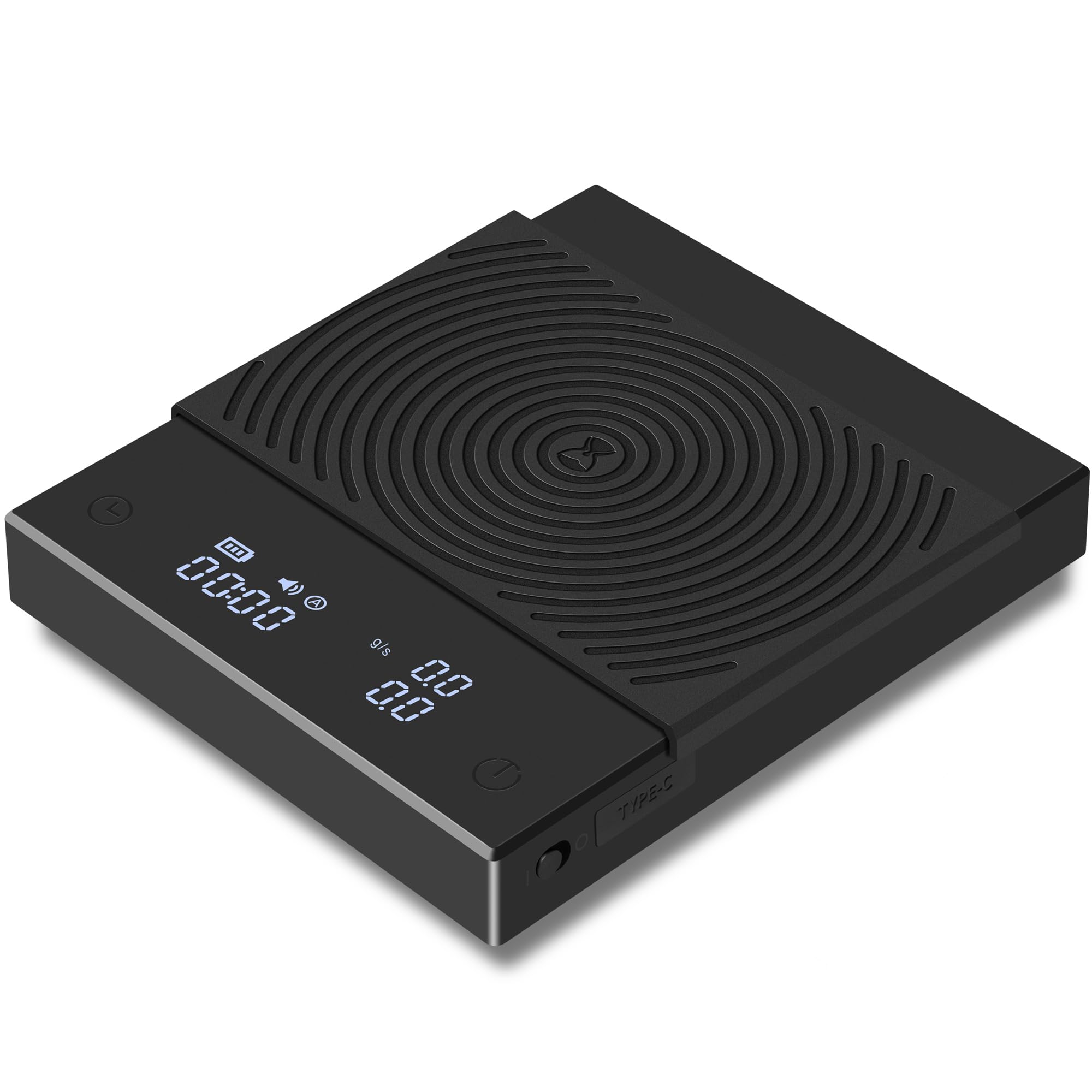
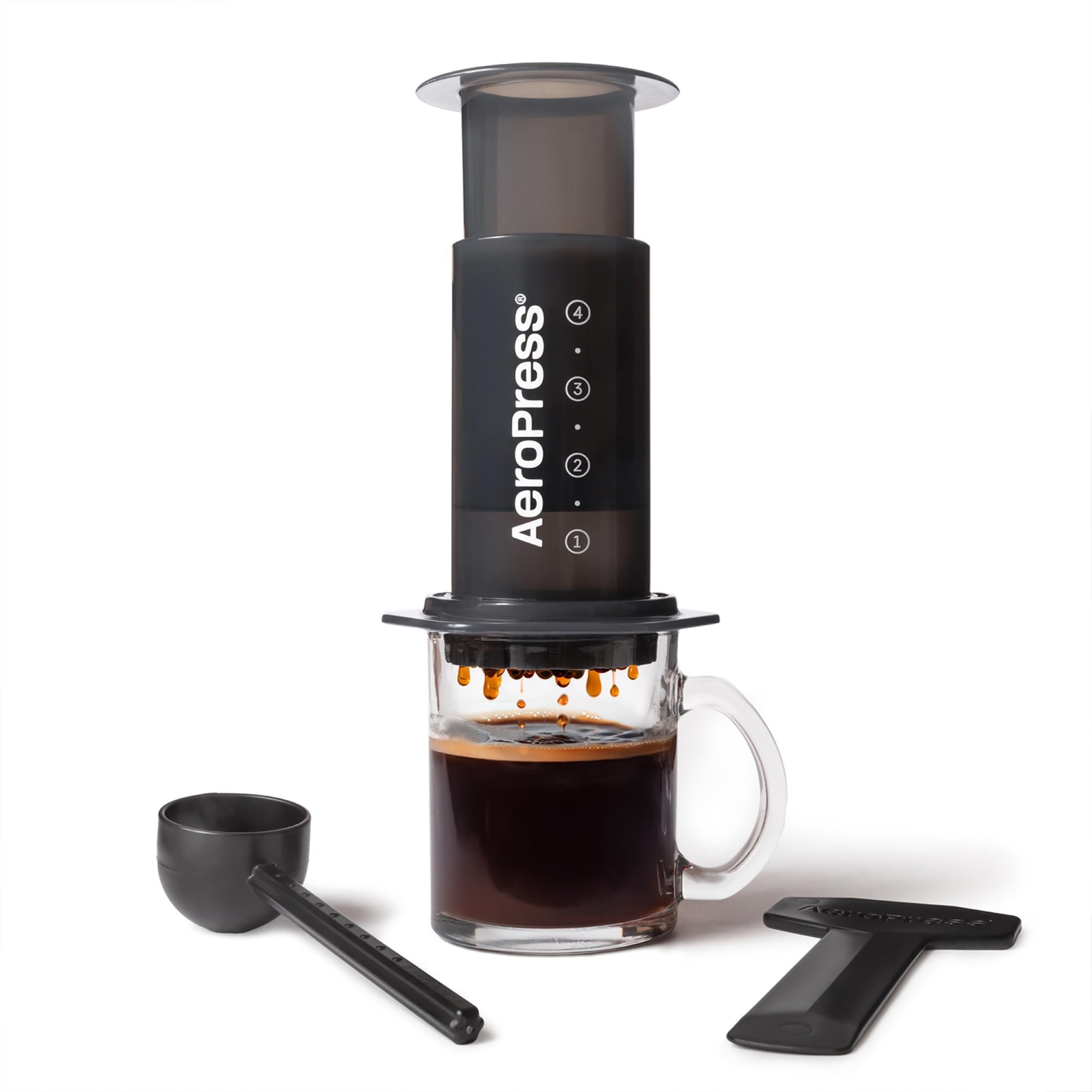
If you are dialling in espresso or checking brew ratios, a simple scale helps you repeat what worked yesterday. Related gear images only — freshness still comes from the beans and the date on the bag:

Quick checklist for UK shoppers
- Prefer bags with a clear roast date over “best before” alone.
- Aim to brew filter in roughly weeks 1–3 post-roast; espresso often happier after the first week.
- Store sealed, cool, dark — skip the fridge.
- Choose whole beans; grind to order.
- Finish a bag in a few weeks rather than stockpiling open coffee.
Once you start reading roast dates properly, supermarket mystery tins and forgotten open bags stop being a puzzle — and your morning cup gets noticeably sweeter without buying a new machine.