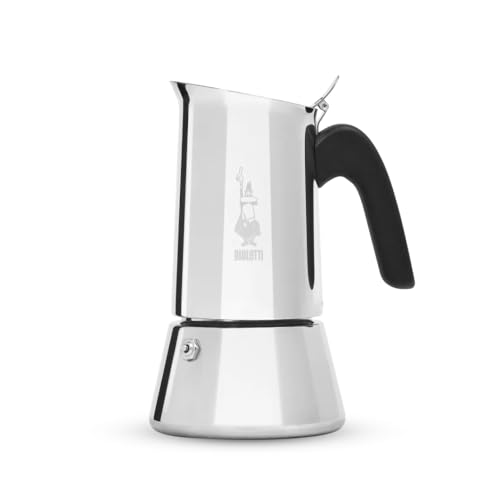
If your moka pot coffee is either thin and sour or so bitter it makes you wince, the grind is the first thing to look at. A moka pot is fussier about grind size than most people expect. Too coarse and the water rushes through without picking up much flavour. Too fine and the pot struggles, sputters, and pushes out something harsh and burnt-tasting.
This guide explains what "moka grind" actually looks like, why it sits where it does, and how to dial it in with a simple test, whether you grind at home or buy pre-ground.
Where moka grind sits on the scale
A moka pot pushes hot water up through a bed of coffee using steam pressure. That pressure is far lower than an espresso machine's, but much higher than gravity in a V60. So the right grind lands in between: finer than filter, coarser than espresso.
| Brew method | Typical grind | Feels like |
|---|---|---|
| Espresso machine | Fine | Flour or icing sugar that clumps a little |
| Moka pot | Fine to medium-fine | Fine table salt; gritty, not powdery |
| AeroPress | Medium-fine (flexible) | Fine salt to caster sugar |
| V60 / pour-over | Medium-fine to medium | Coarse sand |
| Cafetière | Coarse | Sea salt flakes or breadcrumbs |
A good rule of thumb: rub a pinch between your fingers. Moka grind should feel gritty and separate, not silky. If it smears into a powder and sticks to your skin, it's espresso-fine and too fine for most moka pots.
Why "espresso grind" usually goes wrong
Lots of supermarket bags are labelled "espresso" or "suitable for moka pots", and many people grind as fine as their grinder allows because moka coffee is meant to be strong. Both can cause trouble.
- Too fine clogs the basket. The pot needs more pressure to force water through, so it heats longer, sputters violently at the end, and over-extracts. That's where the burnt, ashy taste comes from. - Too fine is also a safety issue. Very fine coffee, especially if packed down, can stop flow almost completely. The safety valve is there for a reason, but you shouldn't be relying on it. - Too coarse runs fast and weak. Coffee gushes up in a few seconds, looks pale, and tastes thin or sour.
The dial-in test
Use the same beans, the same amount of water and the same heat for each test, and change only the grind. Make a note of what you changed each time.
1. Fill the base with hot water up to just below the safety valve. Starting with hot water shortens the time the pot sits on the heat and reduces bitterness. 2. Fill the basket level, with no tamping. Overfill slightly, then sweep off the excess with a finger. Don't press it down. 3. Assemble with a tea towel (the base will be hot) and put it on a medium heat with the lid open. 4. Watch the flow. You want a steady, honey-like stream that starts a minute or two after you put it on the heat, not a sudden spurt. 5. Take it off as soon as it turns pale and starts to gurgle. Run the base under a cold tap to stop extraction.
Then judge the result:
| What happens | What it means | Next brew |
|---|---|---|
| Gushes out fast, pale and thin; tastes sour or watery | Grind too coarse | Go finer, in small steps |
| Slow start, steady honey-like flow; rich, sweet, a little bitter at most | About right | Keep it and note the setting |
| Very slow or stalls, violent sputtering; harsh, burnt or ashy | Grind too fine (or basket tamped) | Go coarser; make sure you're not pressing the coffee |
| Bitter even though flow looks fine | Heat too high or left on too long | Lower the heat; remove it as soon as it gurgles |
Change one step at a time. On a hand grinder, a couple of clicks is a meaningful change; don't jump half the dial at once.
Grinding at home vs buying pre-ground
Pre-ground is fine to start with. Look for bags labelled for moka or stovetop, and buy small bags you'll finish within a couple of weeks of opening, because ground coffee goes stale quickly. If it consistently runs too fast, there isn't much you can do except try a different bag.
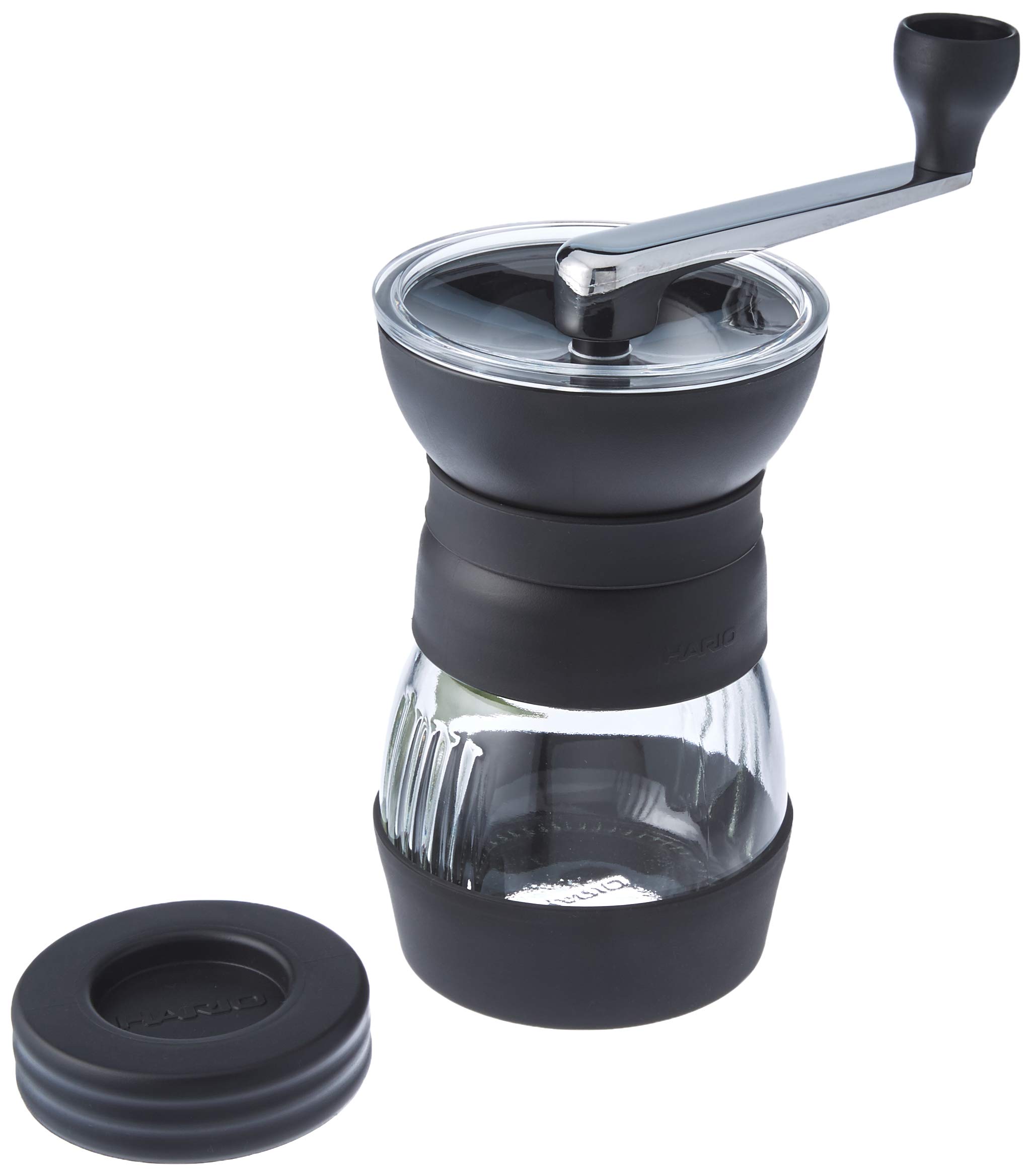
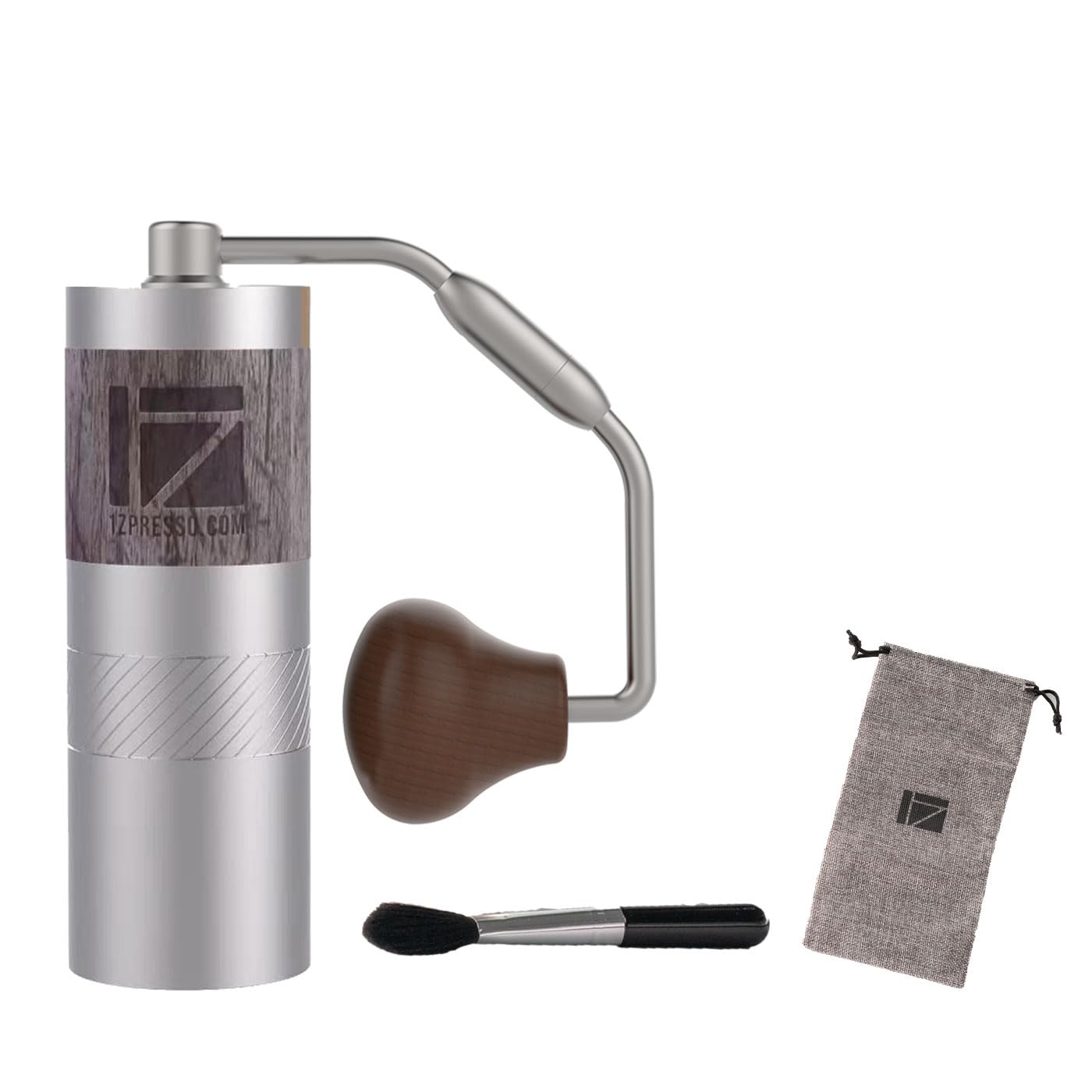
Grinding fresh is the bigger upgrade. You can fine-tune the grind for each new bag of beans, and the coffee tastes noticeably fresher. For moka, you don't need an espresso-grade grinder, but you do want burrs (not blades) and an adjustment that can go fairly fine.
 |
|
Hand grinders suit moka coffee well, because you're only grinding 15–20g at a time for a 3-cup pot. A blade grinder will give you a mix of dust and chunks: the dust clogs and turns bitter, and the chunks under-extract, so you get both problems at once.
Small things that matter as much as grind
- Don't tamp. This is the most common mistake. Level the basket, don't press it. - Keep the gasket and filter plate clean. Old coffee oils and a worn gasket can make good grounds taste stale or let steam escape. A clean pot makes dial-in far more reliable. - Match the heat to your hob. On gas, keep the flame smaller than the base. On induction, use a moka pot made for induction and a medium setting rather than boost. - Weigh your dose once. Fill the basket the way you normally do and weigh it. That tells you your dose for next time, and makes it easier to repeat a good cup.
 |
 |
Quick checklist
- Aim for a grind like fine table salt: gritty, not powdery. - Hot water in the base, basket filled level, no tamping. - Medium heat, lid open, off the heat as soon as it gurgles. - Fast and sour means go finer. Slow, sputtering and burnt means go coarser. - Change one thing at a time and write down the setting that works.
Once you've found the grind that gives a steady, honey-like flow, most of the moka pot's bad reputation for bitterness disappears. If you're buying a moka pot fan a present this year, a decent burr hand grinder is one of the most useful upgrades you can give them.